

In today’s interconnected world, it is increasingly clear that our behaviors, thoughts, and feelings can be influenced not only by our immediate environment but also by the people around us.

In an age dominated by digital technology and social media, the way we consume information has transformed dramatically. Algorithms—sets of rules or calculations designed to solve problems or make decisions—play an increasingly pivotal role in shaping our online experiences.
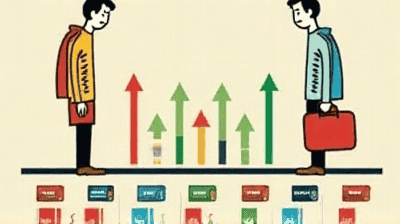
Have you ever encountered someone who confidently asserts their expertise on a subject, only to find that their understanding is fundamentally flawed? Perhaps they are unable to grasp the intricacies of a topic yet demonstrate an unwavering belief in their abilities.

Have you ever learned about a new concept, word, or trend and then found it appearing everywhere you look? Perhaps you just bought a new car and suddenly notice that same model on every street corner, or you read a book about a specific subject and begin to see references to it more frequently in your daily life.

The age-old debate of nature versus nurture is one of the most intriguing discussions in the fields of psychology, sociology, and biology. For centuries, researchers and theorists have sought to understand the extent to which genetics (nature) or environment (nurture) shape our behaviors, personalities, and even our health.